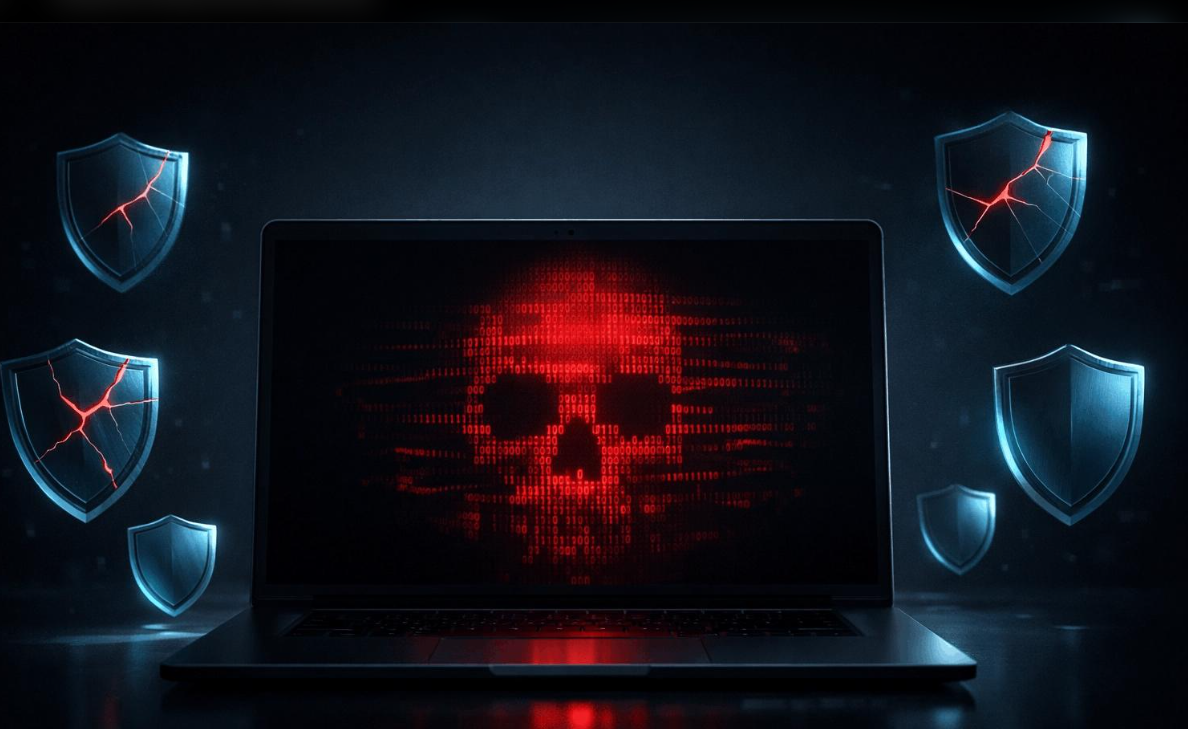
Malware is a general term used for malicious software designed to damage devices, steal information, or gain unauthorized access to computer systems. It includes different types of threats, such as viruses, worms, spyware, Trojans, and ransomware. Malware can infect computers and mobile devices through unsafe downloads, malicious email attachments, infected websites, and compromised software.
Ransomware is a particularly dangerous type of malware. It encrypts a victim’s files and prevents them from accessing their information. Attackers then demand payment, often in cryptocurrency, in exchange for a possible decryption key. However, paying the ransom does not guarantee that files will be recovered. Organizations and individuals can suffer financial losses, service interruptions, and permanent data loss as a result.
Malware infections may show several warning signs. A device may become unusually slow, display unexpected advertisements, crash frequently, or run unfamiliar applications. Users may also notice unknown files or unusual network activity. These signs do not always confirm malware, but they should encourage users to investigate further.
Safe computing practices can significantly reduce the risk of infection. Users should download applications only from trusted sources and avoid pirated software, suspicious websites, and unknown email attachments. Operating systems, browsers, and applications should be updated regularly because updates often fix security weaknesses that attackers may exploit.
Reliable antivirus or endpoint security software can help detect and remove malicious programs. However, security software should not be treated as a complete solution. Users must also exercise caution when opening files, clicking links, or installing programs.
Backups are especially important for ransomware protection. Important files should be backed up regularly to an external storage device or a secure cloud service. At least one backup should remain disconnected from the computer when not in use, reducing the chance that ransomware can encrypt it.
If a device is suspected of being infected, users should disconnect it from the network where appropriate and seek assistance from a trusted IT professional. They should avoid paying ransom demands without expert advice.
In conclusion, malware and ransomware are serious cybersecurity threats, but many infections can be prevented through responsible computing. Regular updates, trusted downloads, security software, cautious browsing, and reliable backups help protect valuable information and maintain a safer digital environment.
Leave a Reply